THEMES / SOCIETY
Social and Psychological Understandings of the Good Life
At the heart of prosperity lie ordinary people’s desires, aspirations, and capabilities. This research strand examines how visions of the good life are contested and shaped by context, how fairness and justice enter those visions, and whether less materially intensive lifestyles can still deliver wellbeing – using both social research and psychological experiments.

Summary
This theme examines how different people in different contexts understand and pursue “the good life” amid social inequality and environmental limits. It maps diverse, often contested visions of prosperity across neighbourhoods, generations, and genders, paying particular attention to marginalised voices (including low-income groups, young mothers, and urban youth). A central theme is whether people can live more fulfilling lives with lower material impact—“more fun with less stuff”—tested through psychological interventions (e.g., mindfulness and flow) and ethnographic work on how poorer communities experience leisure and material goods. The research also follows how visions of the good life shift through major transitions like early motherhood and explores how young city‑dwellers imagine sustainable, rewarding futures. Together, the research build an integrated picture of how sustainable prosperity is understood, contested, and potentially achieved across different life stages and social worlds.


Blog posts










Publications

Environmental issues are social issues, shaped by the relationships between people, communities and the natural world. This paper explores what environmental social sciences (ESS) are, why they matter, and how they can help address complex environmental challenges through research, policy and practice.
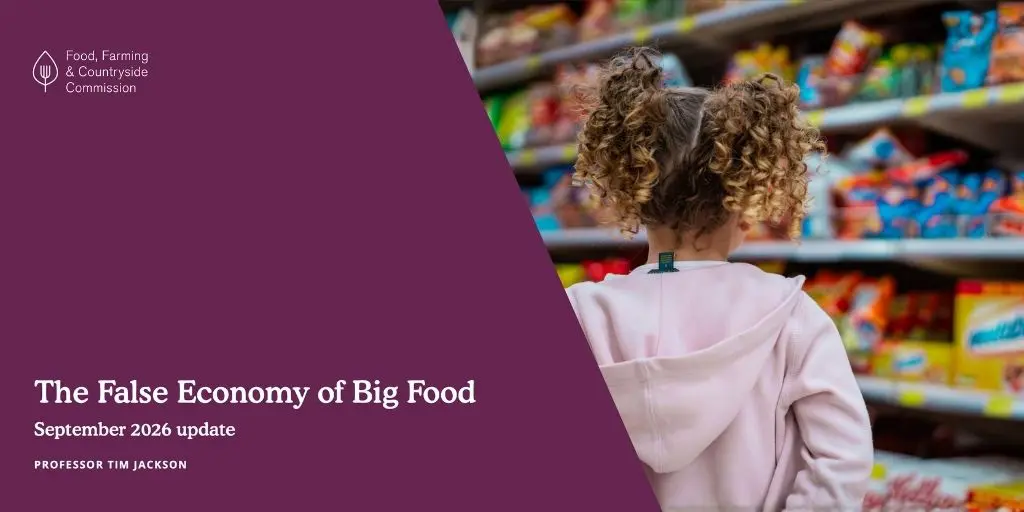
This report by Tim Jackson revisits two questions about the UK food system: what does diet-related ill health cost the nation, and what would it take to ensure everyone can afford a healthy diet? It updates the evidence from the 2024 FFCC False Economy of Big Food report and incorporates new research published since then.
What makes welfare states dependent on economic growth, and what could reduce the dependency? This paper reviews the existing literature on the issue, bringing together research on the key drivers of growth dependency and the policy responses that have been proposed.
How can cities move beyond conventional approaches to sustainability? This research explores regenerative sustainability as a framework for transforming urban futures through holistic, place-based, collaborative approaches that support the flourishing of people and the wider living world.
What does prosperity really mean? For CUSP co-director Prof Tim Jackson, the answer lies not in wealth but in health—and in the principle of care. In a recent discussion inspired by his new book The Care Economy (2025) and his keynote at the SCORAI Europe Conference in Lund, Sweden, Tim sat down with researchers Halliki Kreinin and Jonas Ludwig to explore how care might serve as a fundamental organising principle for postgrowth societies.
In their new book chapter, Oksana Mont, Amy Isham, and Patrick Elf debunk the “more choice is better” myth. They show how choice overload leads to paralysis, overconsumption, and waste—even with green products. Using examples from food, tourism, and clothing, they argue that fewer choices support sustainable habits and fairness, offering practical policy ideas like capping options.
This book chapter by CUSP researcher Amy Isham examines how materialistic values, embedded within consumer capitalist societies, contribute to environmental violence and undermine physical and mental health. Drawing on psychological research, it explores how flow experience—states of deep immersion in meaningful activities—may offer an antidote by supporting human wellbeing, encouraging self-transcendent values, and enabling more sustainable ways of living.

CUSP fellow Richard Bampfylde served as lead researcher and author of the new BKMC policy report, which aims to inspire young people to pursue positive social, environmental, and economic initiatives while encouraging policymakers to adopt more sustainable perspectives and behaviours.

New paper by Patrick Elf, James Ferreira Moura Junior and Amanda Kumaruara, calling for rapid unlearning of harmful modern practices by learning from Indigenous teachings—toward a decolonised, caring, and sustainable future.

This study investigates where people experience flow today, drawing on UK and international survey data. It examines both the activities and physical environments associated with flow, offering updated insights into how everyday spaces may support psychological wellbeing.

How do people in post-industrial cities imagine a better future? Kate Burningham and Sue Venn explore how memories of the past and critiques of everyday struggles today help shape hopeful visions for tomorrow in Stoke-on-Trent—arguing that reflecting on local life can lay the groundwork for collective, community-led regeneration.
Promoting sustainable lifestyles requires a shift away from marketing strategies that reinforce unsustainable consumption. This book chapter considers how marketing can be reoriented to support more equitable, resilient, and environmentally responsible ways of living.

Ecotherapy is a nature-based approach that supports mental and physical wellbeing while helping reduce environmental impact. This article explores its potential benefits, including improved health outcomes and sustainability, and highlights the need for training and standardised practice for wider adoption.

This review examines how natural and built environments influence psychological flow, identifying links to nature, aesthetics, place, and person–environment fit across 60 studies. Findings suggest flow is shaped by environmental context and place-based meaning.

CUSP’s Dr Amy Burnett co-edits new book on rural planning futures, charting the critical societal challenges that are reshaping rural places across the UK and Ireland. Using innovative case studies, the chapters detail how planning for rural places must be guided by the pursuit of social value rather than protecting private interests.
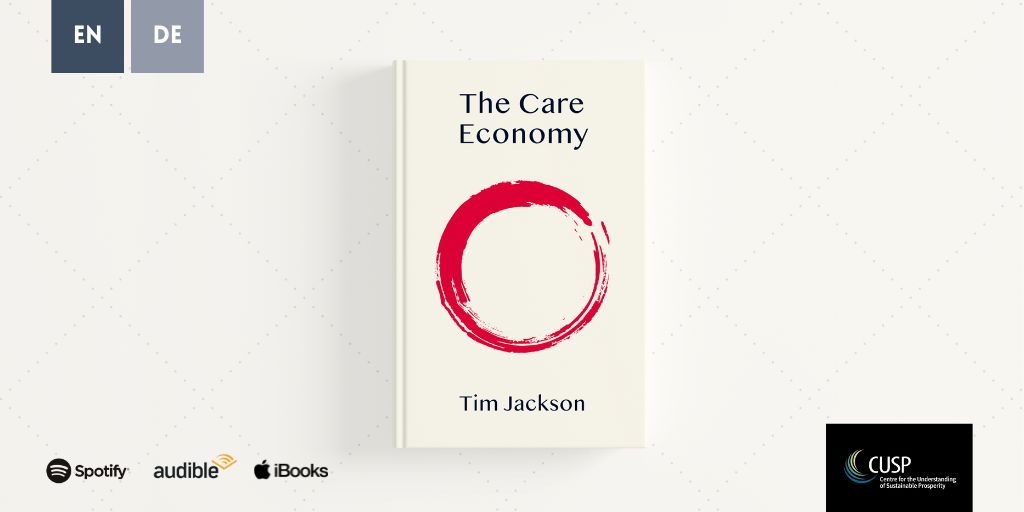
Forthcoming book by CUSP director Prof Tim Jackson, exploring the concept of care in the economy, its undervaluation in markets, and its profound importance for health and society. Dive into the history of medicine, capitalism’s impact on health, and the gender politics of care. Irreverent, insightful and profoundly inquisitive, The Care Economy offers a bold and accessible manifesto for a healthier and more humane society.

This study explores the relational contexts shaping youth wellbeing and consumption in urban spaces, drawing on insights from 332 young people across seven cities. Findings highlight the role of family, community, and public spaces in shaping low-carbon lifestyles and propose ways for local governments to foster sustainable urban development.
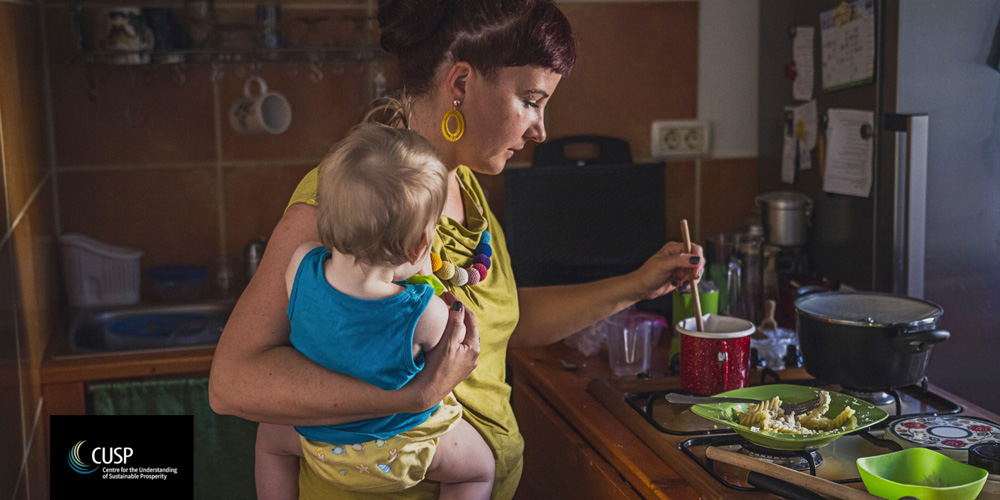
Households play a key role in sustainability transitions but remain underexplored. This longitudinal study shows how motherhood shapes sustainable food practices through relational, flexible approaches prioritizing care, thrift, and time management. It calls for holistic, practical discourses that support sustainable everyday practices of care.
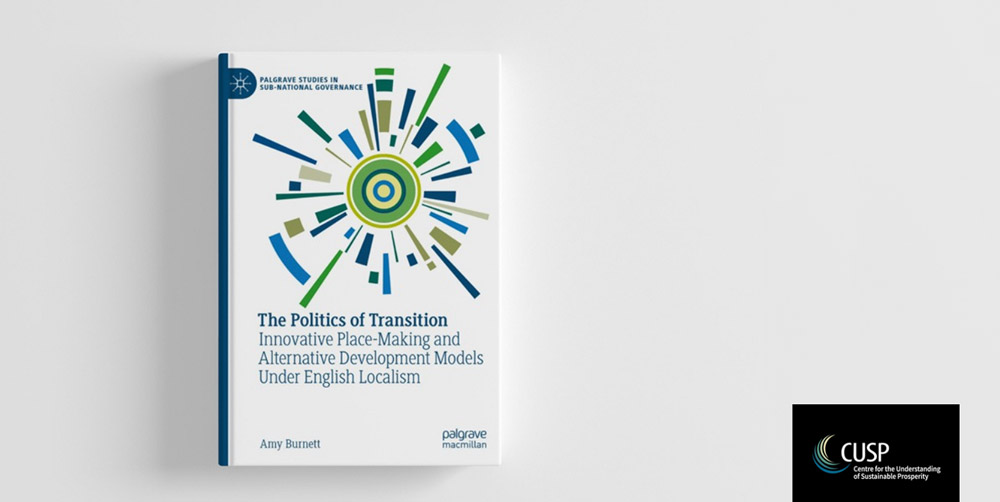
Book by Amy Burnett, exploring planning reforms and alternative local governance, using Frome, Somerset, as a case study. It examines sustainable development under localism and community-based futures, offering insights into placemaking, politics, and public policy.
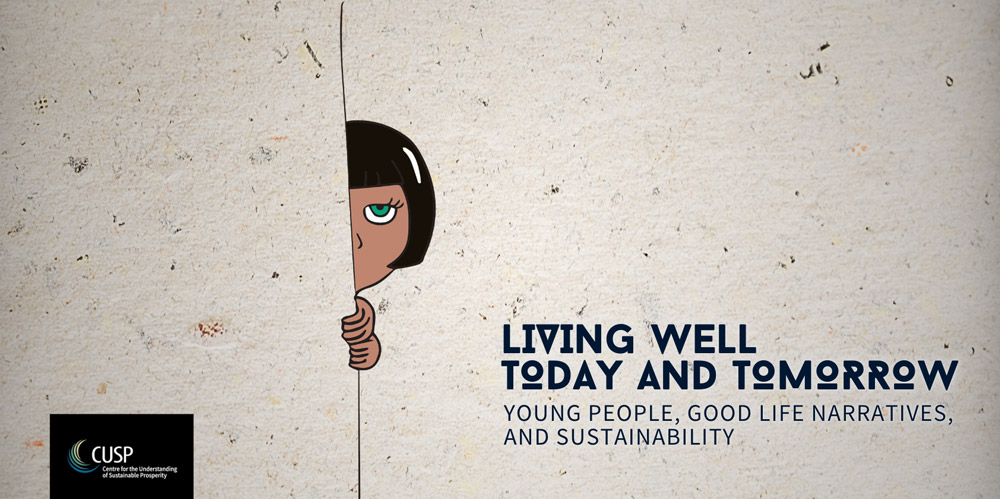
In this working paper, we explore young people’s use of shared social understandings to describe what is important in their present lives, to envision their futures, and to respond to the challenges they identify to the realisation of their good lives.
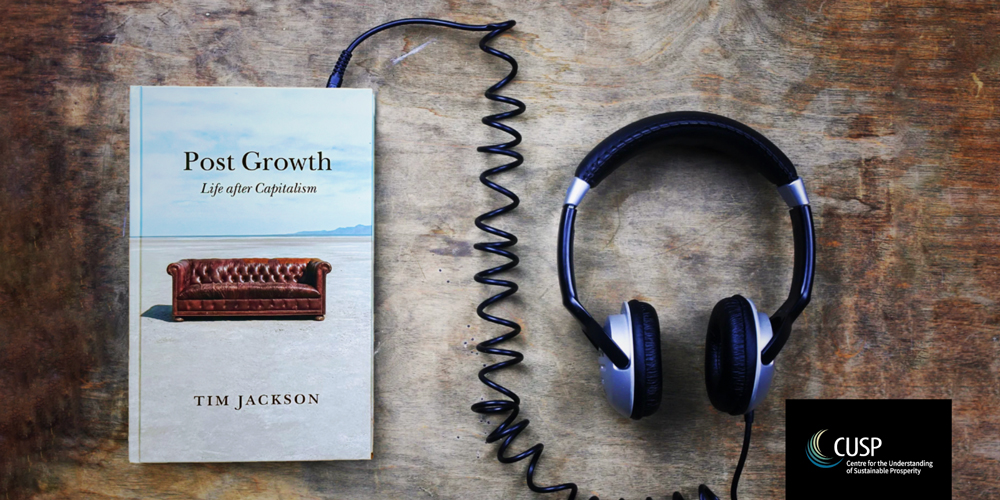
We are pleased to announce the release of the audiobook edition of Tim Jackson’s prize-winning book “Post Growth—Life After Capitalism”. Through his own narration, Tim brings a personal touch to the profound themes of Post Growth, offering an accessible and engaging experience for audiences to absorb his insights on the go.

This paper critically examines the potential effects of commercialising psychedelic substances. Drawing parallels with the well-established commercialisation of mindfulness, it discusses the societal tensions and ethical conflicts that may arise, focusing on concerns about distortion of original practices, co-optation reinforcing neoliberal principles, and cost-cutting alterations.
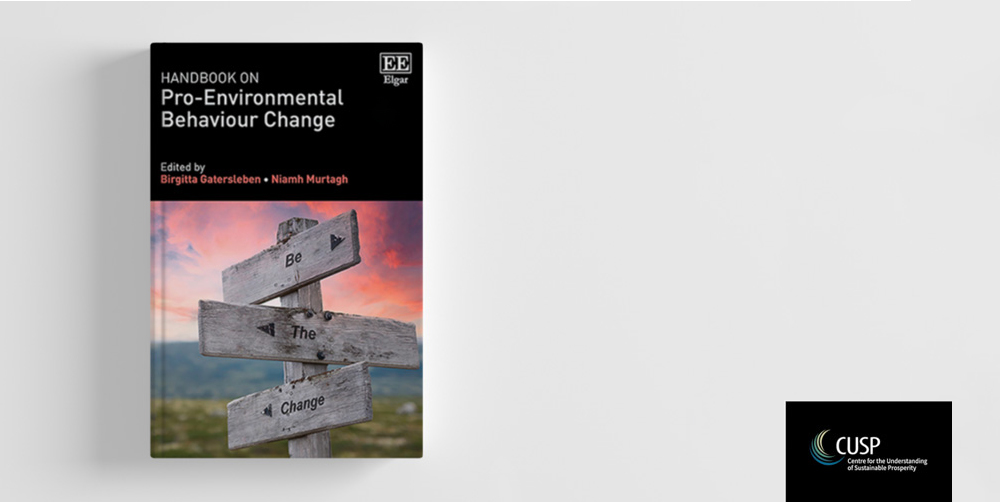
This timely Handbook provides a state-of-the-art overview of research on changing behaviour to become less environmentally harmful. Exploring how well-designed, contextually appropriate behaviour change interventions can work, it charts a path that challenges traditional assumptions to maximise environmental impact.

This quantitative study of 4000 adults in the UK found that demographic factors only play a minimal role in explaining the likelihood of people being able to experience flow, suggesting that the rewards of flow may be available across society, irrespective of demographics.

This research provides the first assessment of the complex relationship between materialistic goal orientation and flow experiences in a shopping context. Our findings challenge the assumption that materialism impedes flow due to a lack of interest in, liking for, or goal alignment with flow-conducive activities. Rather, materialistic goals appear likely to undermine flow experiences due to factors that are consistent across activity types, such as trait levels of self-regulatory strength.

The sociology of consumption has had a fraught relationship with aesthetics, with varying levels of interest in the concept throughout the history of the discipline. Today, aesthetics is barely mentioned at all and is not considered to be relevant to enabling transitions towards more sustainable futures.

In recent years, much has been written on the role of different mental states and their potential to influence our way of thinking and the way we act. With the recent acceleration of environmental and mental health issues, alongside the limited effectiveness of existing interventions, an exploration of new approaches to deliver transformative change is required.

Stories about what living well means are critical both to the maintenance of existing ways of living and to the possibility of envisioning and transitioning toward fairer and more sustainable futures. The implications of the stories told on social media for the possibility of such futures have yet to be explored.
As part of a new edited collection that aims to stimulate a new research agenda around ‘transformative metrics’ and encourage existing and new methodological approaches to be applied to the study of social and technological change, this contributing chapter by CUSP researcher Dr Amy Burnett puts forward a conceptual framework for the promotion of ‘regenerative value’.

Given the need to a wider adoption to plant-based food consumption, our research sought to explore factors that influence consumers’ liking and willingness to pay for plant-based products. Boosting consumer wellbeing may be a means of encouraging the consumption of meat and dairy-free foods, our study finds.
CYCLES is an international research project based in seven cities that span six continents. Following a scoping review, photo-elicitation focus groups, and a survey, we have now produced a series of brochures that present an accessible overview of key survey findings.
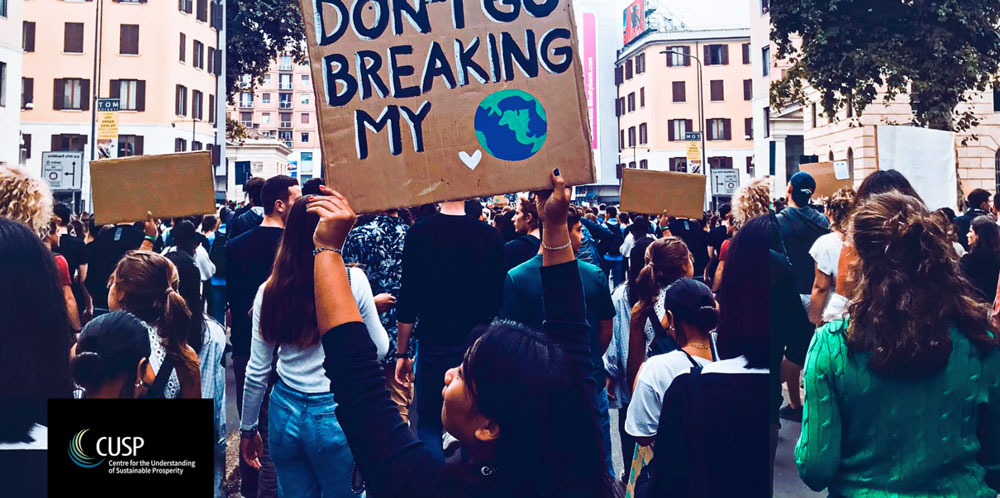
Tackling climate change cannot be achieved solely through technological breakthroughs or new climate models. We must build on the strong social science knowledge base and develop a more visible, responsive and interdisciplinary-oriented social science that engages with people and is valued in its diversity by decision-makers from government, industry, civil society and law.
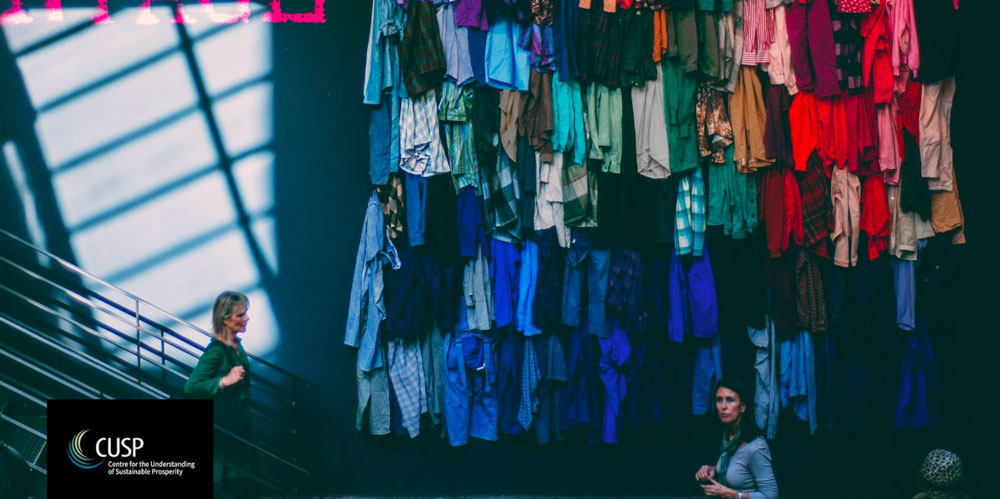
This paper documents how materialistic value orientations have been linked to poorer wellbeing across different facets of wellbeing (personal, social, and environmental) and that these negative associations have been recorded across the lifespan.
Strong materialistic values help to maintain consumer capitalism, but they can have negative consequences for individual well-being, for social equity and for environmental sustainability. In this paper, we add to the existing literature on the adverse consequences of materialistic values by highlighting their negative association with engagement in attitudes and actions that support the achievement of sustainable well-being.

Critically evaluating existing literature, this paper discusses the potential of tripartite partnerships (TPPs) to advance sustainable consumption practices. The authors argue that multi-sector partnership approaches can strengthen a socio-political basis for the advancement of public policies and inter-sectorial dynamics offering mechanisms that can foster sustainable consumption.

The achievement of sustainable prosperity requires the enhancement of human wellbeing alongside increased care for the environment. In this working paper, Patrick Elf, Amy Isham and Tim Jackson explore the emerging potential of Self-Transcendent Experiences (STEs) to deliver beneficial effects on human wellbeing and sustainable attitudes and behaviours.
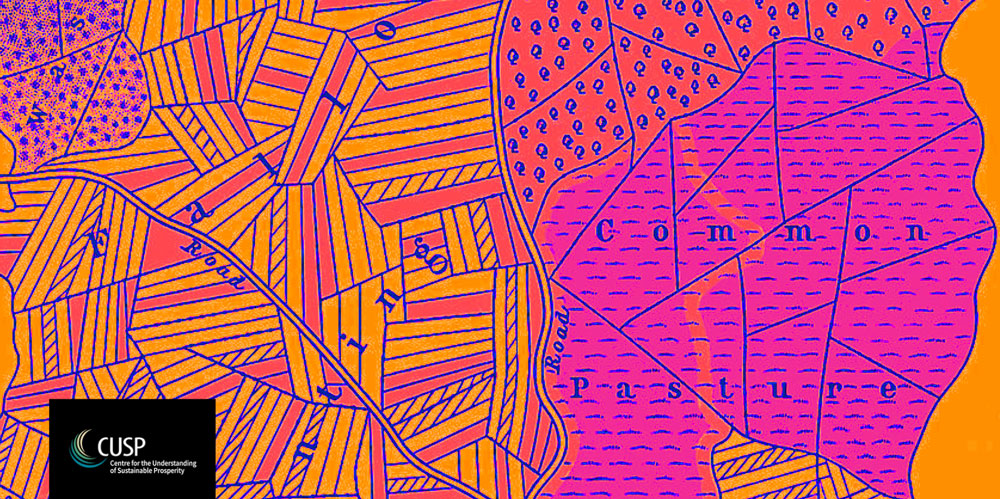
This book chapter as part of the edited collection ‘Addressing the Climate Crisis: Local action in theory and practice’ draws from Elinor Ostrom’s scholarship on managing commons and a wider literature reviewto make the case for cooperative community-based action in the domains of community energy, agriculture and transport.

In this article, Amy Isham and Tim Jackson explore the dynamics of a psychological state known as flow. By synthesising the results of a series of experience sampling, survey, and experimental studies, we identify optimal activities that are shown to have low environmental costs and high levels of human wellbeing.

New study examining the fashion design process as practised at the mass-market level. The mass-market design process is found to prioritise profits rather than aesthetic aspects, with the buyer exercising more power than the designer. This hinders creativity, which, in turn, may impede a move towards more environmentally benign designs.
A growing body of research demonstrates that wellbeing is positively correlated with ecologically sustainable behaviours, yet there is still much to understand about the nature of this association. This study suggest that pro-environmental behaviours are not only compatible with wellbeing due to a virtuous sense of “doing good,” but they may be inherently pleasurable.
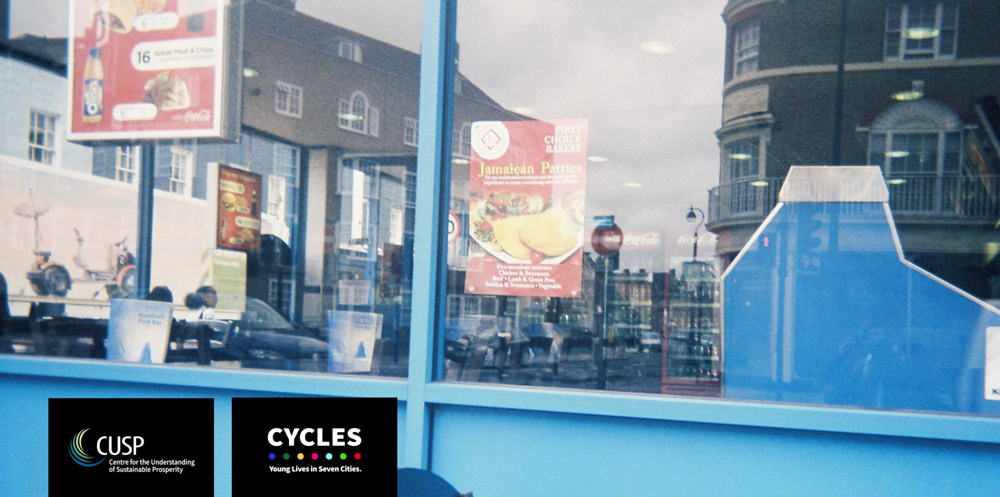
Fast food seems unequivocally at odds with any moves towards more sustainable food consumption. It is identified as a major contributor to obesity, health inequalities, and to environmental impacts through its production and distribution. However, this problematisation of fast food ignores its contribution to understandings of “living well”, particularly for young people.
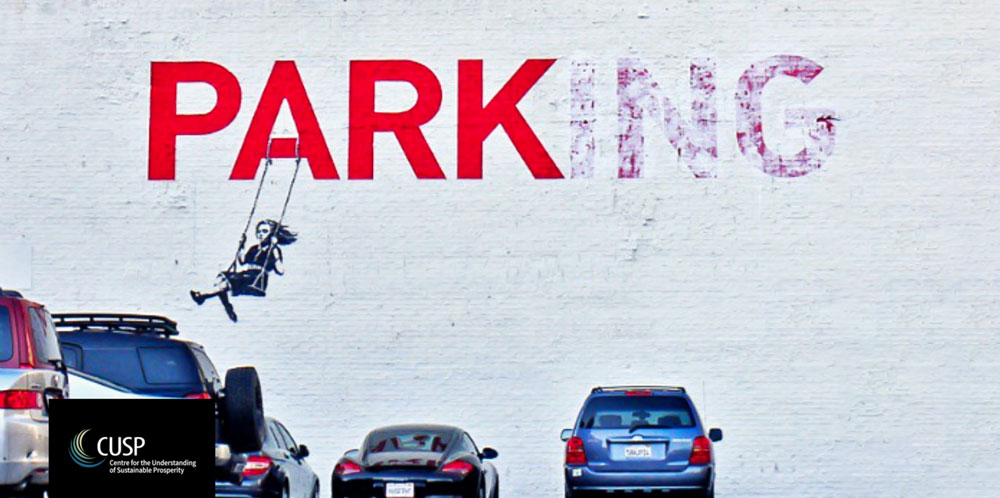
The economic system to which we are in thrall throws us out of balance, Tim Jackson and Julian Sheather write in this blog. By failing to meet our most essential needs it is doomed to immiserate and, ultimately, sicken us. We urgently need to regain a richer, more satisfying understanding of ourselves, and our place in the world.
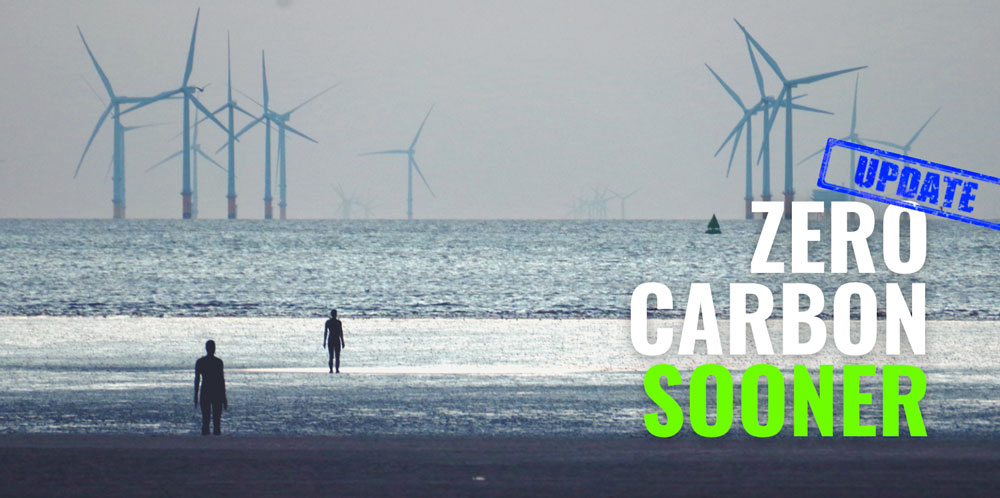
This paper is an update of an earlier briefing note, revised to take account of new findings from the IPCC’s updated 6th Assessment Report (AR6). The broad aim of the paper is to establish how soon the UK should aim for (net) zero carbon emissions.
Drawing on serial interviews with individuals in the United Kingdom, we explore how the transition to retirement highlights the complexity of participants’ attachment to things, and what the implications for sustainable consumption and for later-life wellbeing are.

Previous research has shown that the possession of materialistic values can lead individuals to be less likely to experience flow, an important component of well-being. This study tested whether a lack of self-regulatory resources, and a tendency to use self-regulatory resources for avoidance purposes, can mediate this relationship.
Youth Attitudes and Participation in Climate Protest: An international cities comparison Journal paper | Frontiers in Political Science | September 2021 Kate Prendergast, Bronwyn Hayward, Midori Aoyagi, Kate Burningham, Mehedi M. Hasan, Tim Jackson, Vimlendu Jha, Larissa Kuroki, Anastasia Loukianov, Helio Mattar, Ingrid Schudel, Sue Venn and Aya Yoshida Summary This article examines youth participation […]
Post‐pandemic recovery must address the systemic inequality that has been revealed by the coronavirus crisis. The roots of this inequality predate the pandemic and even the global financial crisis. They lie rather in the uneasy relationship between labor and capital under conditions of declining economic growth.
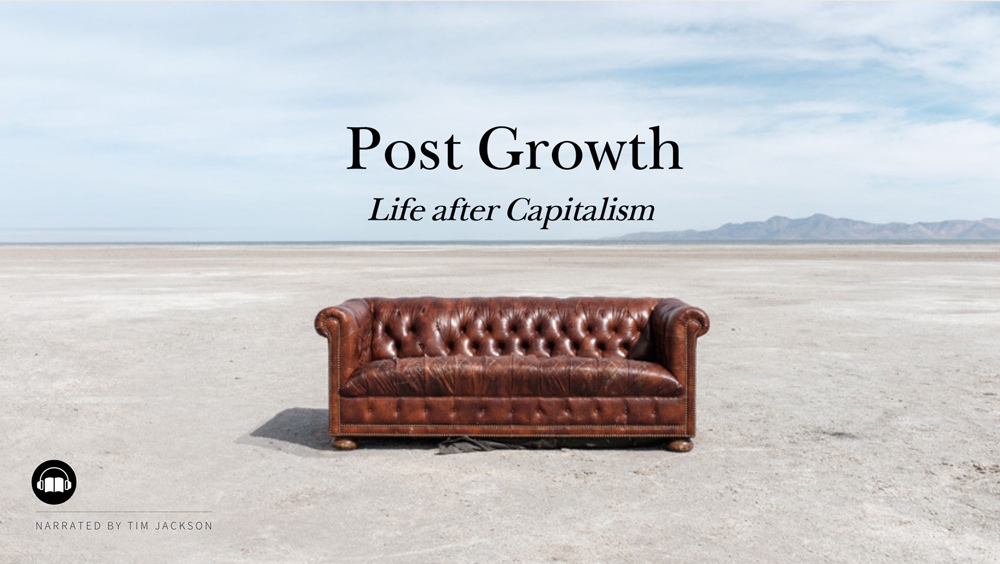
Capitalism is broken. The relentless pursuit of more has delivered climate catastrophe, social inequality and financial instability—and left us ill prepared for life in a global pandemic. Weaving together philosophical reflection, economic insight and social vision, Tim Jackson’s passionate and provocative book dares us to imagine a world beyond capitalism—a place where relationship and meaning take precedence over profits and power. Post Growth is both a manifesto for system change and an invitation to rekindle a deeper conversation about the nature of the human condition.

This paper proposes a new, integrative typology of actors involved in climate change mitigation policy in the United Kingdom (UK) and a method for mapping these actors and selecting their typological descriptors onto a 2D space.

Our research in Woking commenced with an in-depth case study of the town, comprising desk-based research and interviews with representatives of a variety of local organisations community groups, charities, and the local council. Our aim was to gain a clearer historically and contextually based understanding of the town, and to help in identifying the key issues which impact on local people.
Our research in Hay-on-Wye commenced with an in-depth case study of the town, comprising desk-based research and interviews with representatives of a variety of local organisations community groups, charities, and the local council. Our aim was to gain a clearer historically and contextually based understanding of the town, and to help in identifying the key issues which impact on local people.
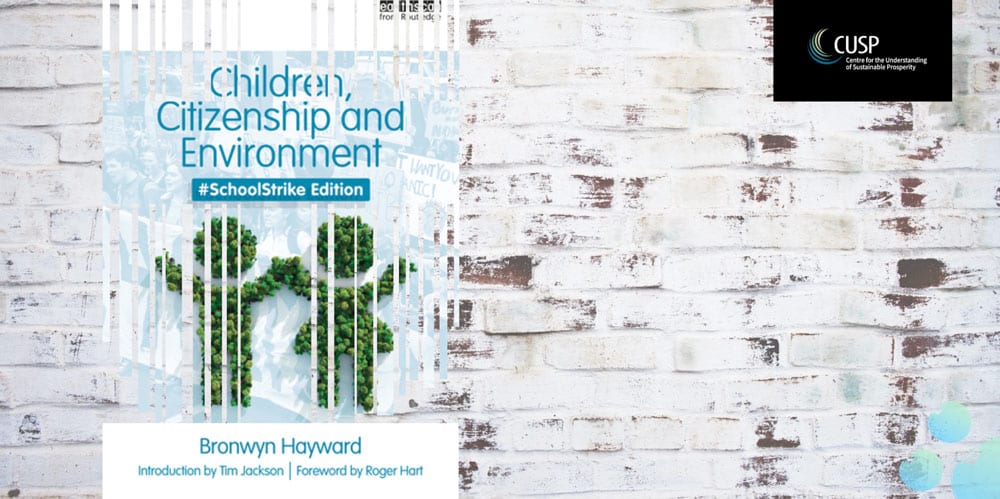
A new, significantly revised second edition of Bronwyn Hayward’s acclaimed book Children Citizenship and Environment is out now. Our CUSP co-investigator from Canterbury University NZ and colleagues examine how students, with teachers, parents, and other activists, can learn to take effective action to confront the complex drivers of the current climate crisis, including: economic and social injustice, colonialism and racism.
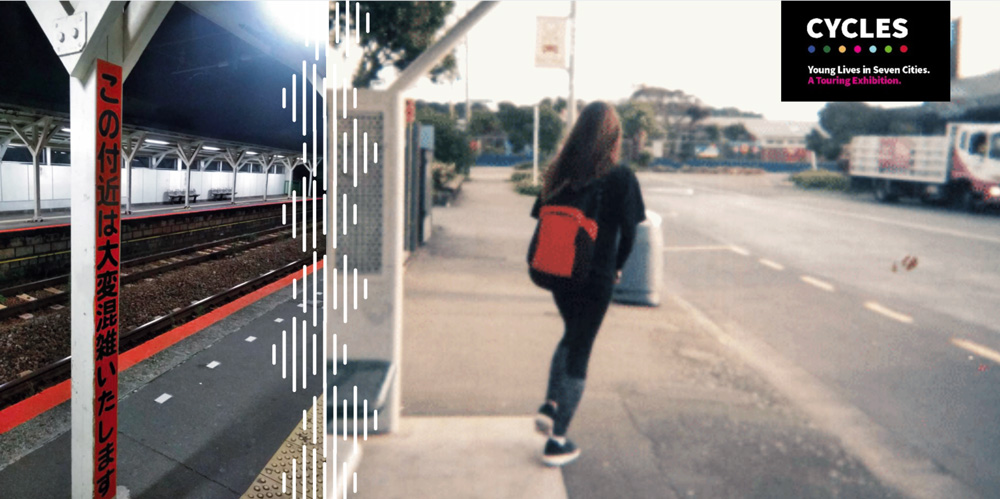
This journal paper provides a comparative analysis of young people’s experiences with local transport and green space in seven diverse urban communities (Christchurch, New Zealand; Dhaka, Bangladesh; Lambeth/London, UK; Makhanda, South Africa; New Delhi, India; São Paulo, Brazil; and Yokohama, Japan)—as part of the CYCLES study.
The COVID-19 pandemic has caused dramatic and unprecedented impacts on both global health and economies. Many governments are now proposing recovery packages to get back to normal, but the 2019 Intergovernmental Science-Policy Platform for Biodiversity and Ecosystem Services Global Assessment indicated that business as usual has created widespread ecosystem degradation. Therefore, a post-COVID world needs to tackle the economic drivers that create ecological disruptions.

Current global changes require new business approaches driving sustainable development on all fronts. To date, most business approaches have focused on sustainable marketing and corporate social responsibility initiatives. In this field study, we examine IKEA’s Live Lagom project.

Skills deficit needs to be urgently tackled to get to net zero. In its briefing with CUSP, Upskilling the UK workforce for the 21st century, the Aldersgate Group calls for urgent action to plug the deficit in skills that currently undermines the growth of low carbon supply chains across the UK economy.

This paper draws on the insights from an exploration of Instagram posts tagged #goodlife to consider the role of Instagram in the constitution of good life narratives that are available to young people. Using network analysis tools, the researchers analyse the relationships between themes of hashtags appearing on 793 posts tagged #goodlife.

Materialism is associated with a broad range of negative outcomes for individuals, societies, and the planet. This study demonstrates that encouraging and activating self-transcendence values and intrinsic goals is an effective strategy to c materialistic goal orientation.

The need to locate ways of living that can be both beneficial to personal well-being and ecologically sustainable is becoming increasingly important. Flow experiences show promise for the achievement of personal and ecological well-being. However, it is not yet understood how the materialistic values promoted by our consumer cultures may impact our ability to experience flow.
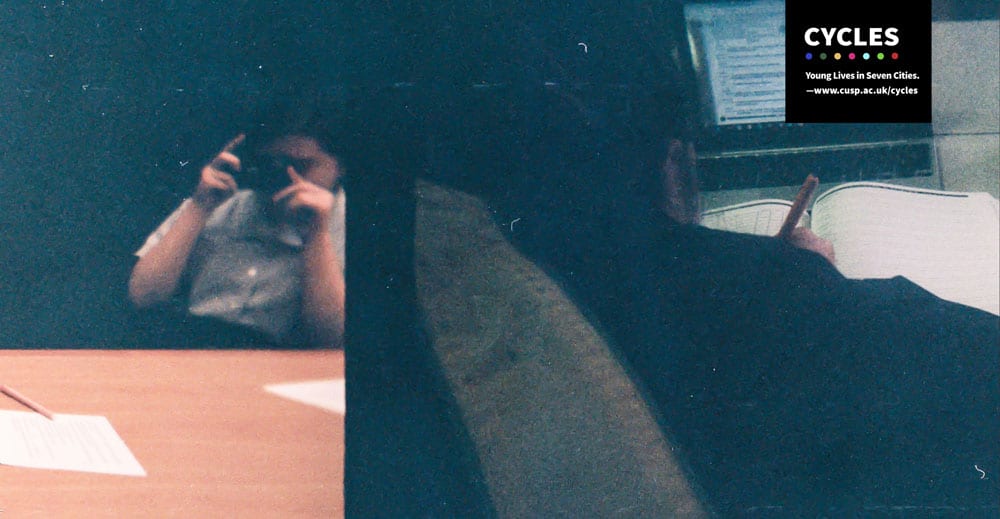
In this paper, we reflect on our experiences of planning and conducting the International CYCLES project involving photo elicitation with young people in Bangladesh, Brazil, India, Japan, New Zealand, South Africa and the UK. While some issues such as varying access to technology for taking and sharing photos and diverse cultural sensitivities around the use of photography were anticipated in advance, others were more unexpected.

While the consumerist approach to what living well can mean permeates traditional media, the extent to which it appears in people’s own depictions of the good life is unclear. Using multimodal discourse analysis, this article uses a sample of posts tagged #goodlife and variants collected on Instagram to explore which understandings of the good life can be found on the platform, and what their wider implications in the consumer society are.
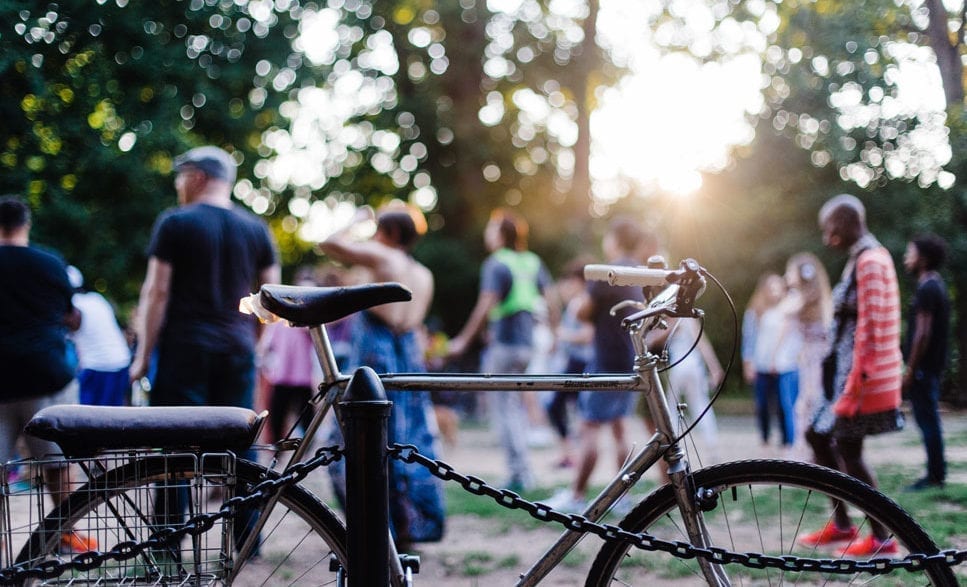
To combat climate change, carbon emissions must be radically reduced. Technological change alone will not be sufficient: lifestyles must also change. Whereas mainstream strategies generally address the challenge of reducing carbon emissions through reviewing consumption, approaching it through the lens of how we use our time, in particular, leisure time, is a promising complementary avenue.

Research suggests that the excessive focus on the acquisition of material goods promoted by our consumer society may be detrimental to well-being. Current Western lifestyles, which promote unsustainable patterns of production and consumption, therefore risk failing to bring citizens the happiness they seek.

Tim Jackson’s chapter in The Cambridge Handbook of Psychology and Economic Behaviour has been updated for the second edition of the international, multi-disciplinary and partly new collection, edited by Alan Lewis. It summarises the challenge inherent in recent policy debates about sustainable consumption, focusing in particular on what might be involved in negotiating the kinds of lifestyle changes that are implied by the radical reductions in carbon emissions that are required to mitigate climate change.

In their new paper for the Journal of Consumer Ethics, Kate Burningham and Sue Venn suggest there is a need for greater attention to the gender and relational dimensions of environmentally sustainable practice, and for promotion of holistic discourses of sustainable consumption which align sustainable living with the maintenance of family life.
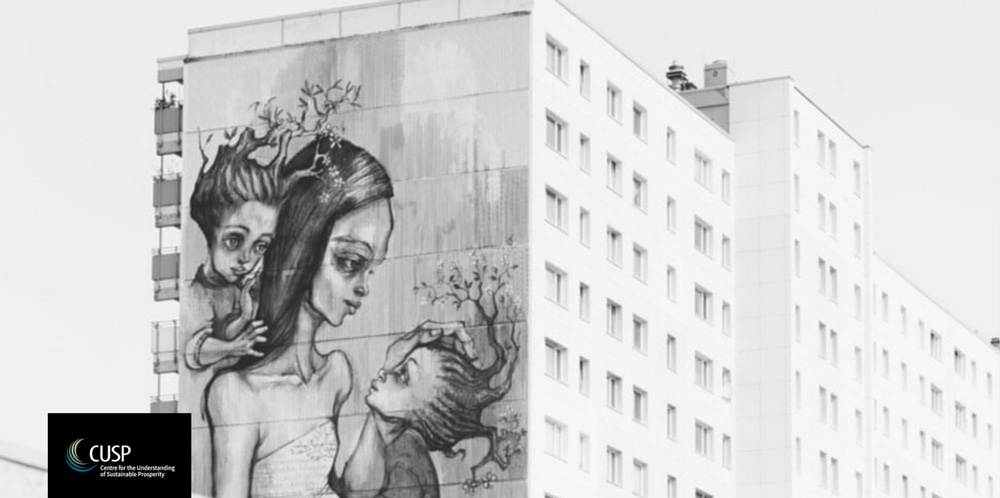
The idea that lifecourse transitions might offer ‘moments of change’ in which to encourage more sustainable consumption is popular, yet insights from the sociological literature on lifecourse transitions have rarely been brought to bear on this assumption. This paper focuses on two distinct lifecourse transitions – becoming a mother and retirement – and through qualitative longitudinal research evaluates the assumption that such periods provide opportunities for movement to more sustainable consumption.

How do young people see the world? What are their hopes and aspirations for the future? What does the ‘good life’ mean for them in an age of environmental and social limits? These are some of the questions that motivate the CYCLES project which we are launching with this report.
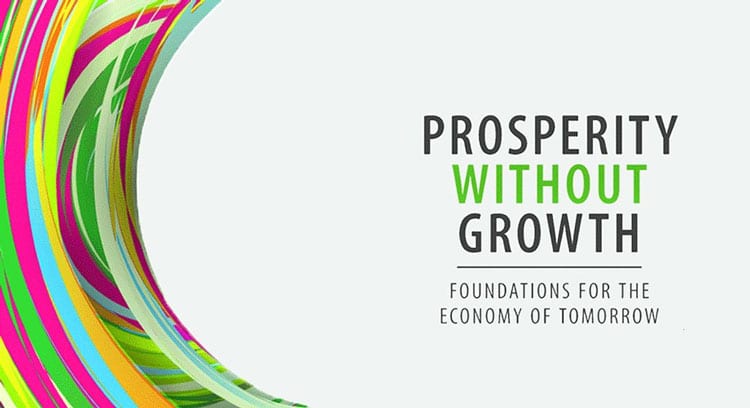
The publication of Prosperity without Growth was a landmark in the sustainability debate. This substantially revised and re-written edition updates its arguments and considerably expands upon them. Tim Jackson demonstrates that building a ‘post-growth’ economy is not Utopia—it’s a precise, definable and meaningful task. It’s about taking simple steps towards an economics fit for purpose.
This paper explores the ramifications of the combined crises now faced by the prevailing growth-based model of economics. In paying a particular attention to the nature of enterprise, the quality of work, the structure of investment and the role of money, the paper develops the conceptual basis for social innovation in each of these areas, and provides empirical examples of such innovations.