Videos and Podcasts
CUSP researchers regularly speak at public events and invite guest speakers from various fields of expertise feeding into the work of CUSP. This page lists a series of videos and podcasts. For more resources, please see our Youtube Channel.
Subscribe to our website or editorial newsletter to receive regular updates from us.
For feedback and further information about our work, please contact us.
 |
 |
 |
 |
 |
 |
 |
 |
 |
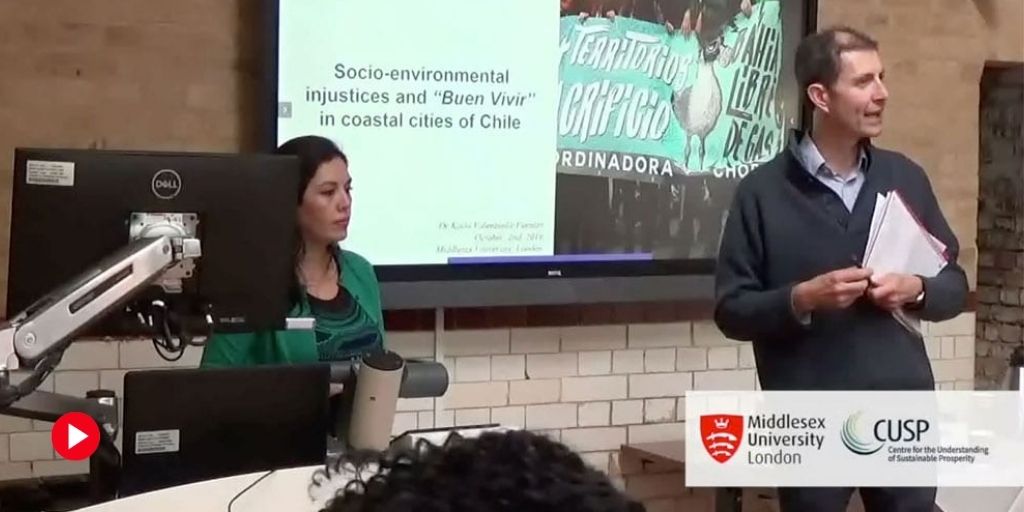
In the last decade, a growing number of socio-environmental conflicts have spread across Chile and other Latin American countries. This seminar seeks to explore how grassroots movements understand and defy environmental injustice in their territories, and examines Buen Vivir or Good Living alternatives that they are envisioning.
The RSA Food, Farming & Countryside Commission with CUSP director Tim Jackson as Commissioner and Chair of the Research Advisory Group have published their final report, calling for radical 10-year plan to transition to sustainable food system with more government support for healthy produce.
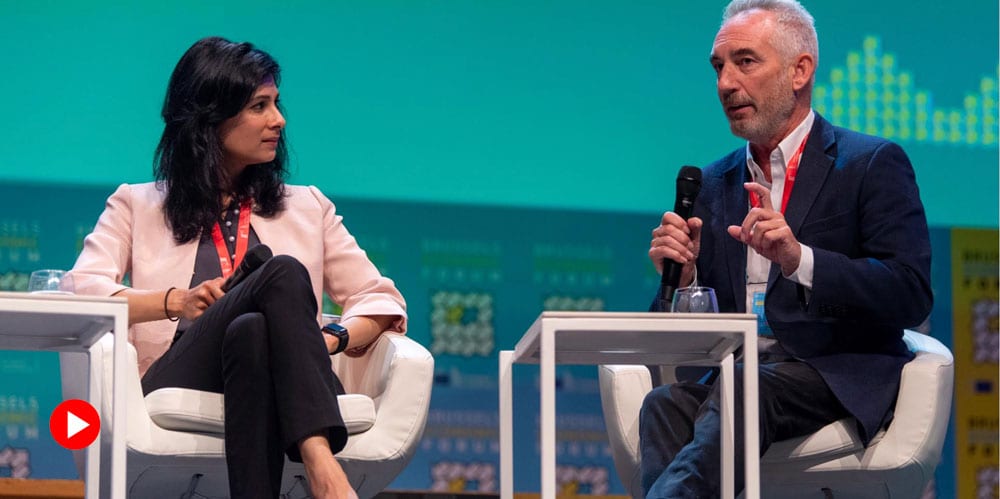
CUSP Director Tim Jackson in fierce debate with high-profile panel on prospects in the EU for reconciling economic growth with social cohesion, fairness and sustainability. Moderated by Viktoria Dendrinou (Bloomberg), co-discussants include Valdis Dombrovskis (Vice-President, European Commission), Nadia Calviño (Minister of Economy and Business, Spain), Gita Gopinath (Chief Economist, International Monetary Fund) and Riccardo Illy (Chairman, Gruppo Illy).

This conference aims to explore from a multidisciplinary perspective the role of risk and uncertainty in the Anthropocene. Papers were invited exploring the specific logics, strategies, forms of knowledge and technologies that different actors are, or should be, using to approach risk and uncertainty.

In Autumn 2018, CUSP Director Tim Jackson responded to an essay by Michael Liebreich, sparking a month-long debate on social media. BBC Business Daily brought Tim and Michael together to discuss the ‘burning question’ face-to-face: Is eternal economic growth feasible (and desirable) on a finite planet?

Why are we so obsessed with economic growth, knowing that it has devastating effects on our finite planet (and ultimately us)? SYSTEM ERROR looks for answers to this principal contradiction of our time and considers global capitalism from the perspective of those who run it.
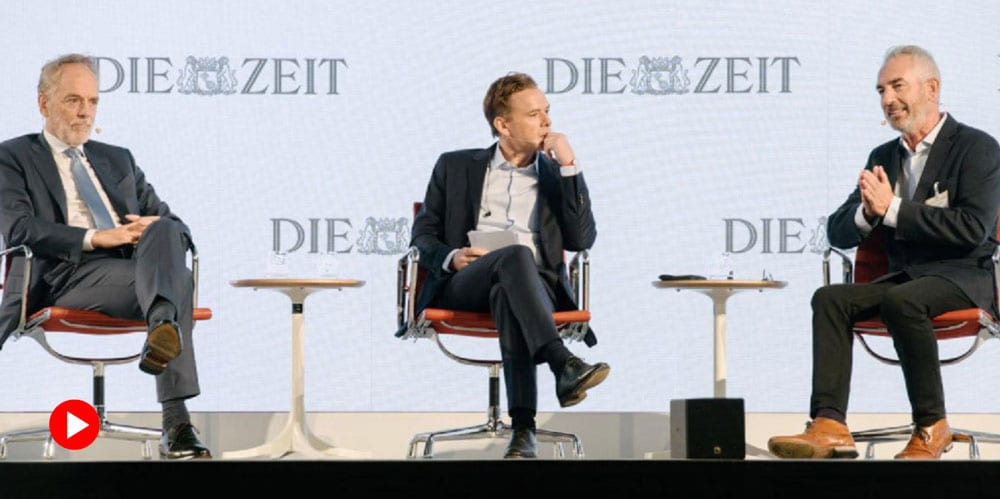
As part of the 2018 ZEIT Wirtschaftsforum, CUSP Director Tim Jackson and Deutsche Bank Chief Economist David Folkerts-Landau were invited for a debate on the dilemma of growth, the relevance of GDP growth for wellbeing, and the political feasibility of a postgrowth agenda.
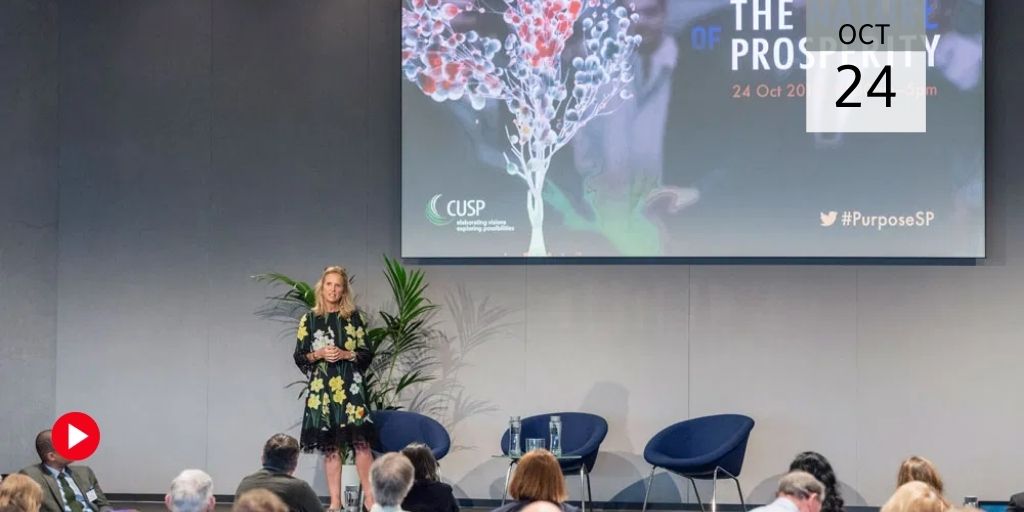
We’re delighted to be joined in Westminster by Kerry Kennedy, US human rights lawyer and daughter of RFK, Clive Lewis MP, Shadow Treasury Minister, Miatta Fahnbulleh, Chief Executive of the New Economics Foundation, Michael Jacobs, Director of the IPPR Commission on Economic Justice, and Rowan Williams, former Archbishop of Canterbury.

Scientists, politicians, and policymakers gathering in Brussels for landmark conference: Hosted at the EU parliament, the multi-stakeholder event is exploring visions and solutions for a post-growth economy in Europe. First of its kind.
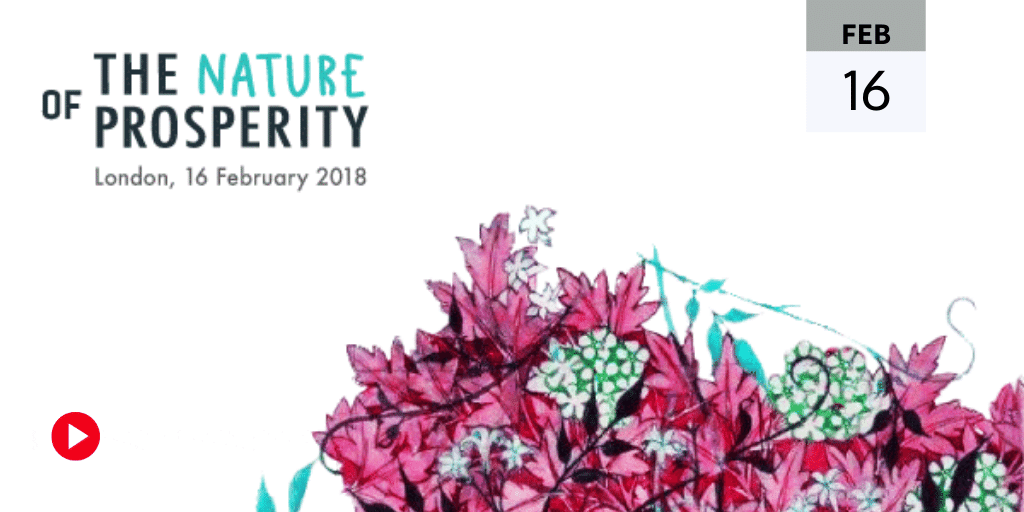
CUSP and the William Morris Society are delighted to invite you to a joint symposium on the Nature of Prosperity. The event will offer an afternoon of philosophical conversations on the themes of ethics and Utopian thinking, and how they can inform concepts of sustainable prosperity.

CUSP Director Tim Jackson is joining the 7th Congreso Futuro in Chile. Set up by the Senate of Chile, with the aim to decentralize knowledge, the international 7 day event is considered to be the most important scientific dissemination event in Latin America.

Humanity’s 21st century challenge is to meet the need of all within the means of the planet. In her CUSP lecture, Kate Raworth is making a compelling plea for rethinking economic teaching, discussing the history and language of economics and the influence of Tim Jackson’s work around ‘Prosperity without Growth’ on her own thinking.

We are told again and again that GDP growth is good for the economy; it is said to lift people out of poverty, provides jobs and investment, and improves lives. While there is general agreement about the need for growth in the developing world, what about the costs of growth in the rich world?
The advent of the Anthropocene, the scientific recognition of the remarkably stable state of the Earth system during the Holocene Inter-glacial, the rising evidence of global risks of crossing Earth tipping points and the signs of a gradual decline in Earth resilience, constitute overwhelming evidence for the need of a deep mind-shift. In his lecture, Johan Rockström presents his science of sustainability.

PERC/CUSP Lecture by Jason W. Moore on “World Accumulation and Planetary Life or Why Capitalism Will Not Survive until the ‘last tree is cut’”. More details to follow shortly.
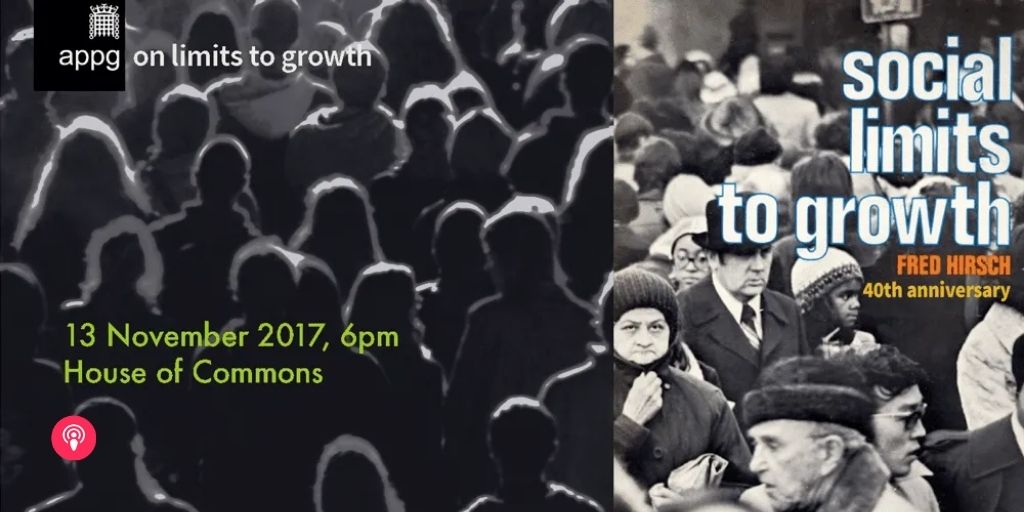
This Autumn, CUSP and the APPG on Limits to Growth will be hosting a debate to mark the 40th Anniversary of Fred Hirsch’s ‘The Social Limits to Growth’. Join us for this timely House of Commons discussion on Hirsch’s challenging analysis and its relevance today.

When economies stop growing they go into crisis, yet it seems impossible for them to grow forever without causing ecological catastrophe. Tim Jackson joins Matthew Taylor on RSA Radio to talk about the about this big challenge and the impact of Prosperity without Growth – recently updated and expanded in a second edition.

Sustainable development is the 21st Century’s wicked problem. The design of our economies and the principles of our economics have taken us to an extreme, unsustainable and unjust point. It’s widely recognised that system change is badly needed. But what does such large scale transformation actually mean? And how do we put it into practice?
On 22 April 2017, the Cambridge Conservation Initiative of the UK is partnering with the Smithsonian in hosting an Earth Optimism event in Cambridge. CUSP Director Tim Jackson will be joining a panel with Jane Goodall, Sebastian Pole and David Amaning Kwarteng. Other speakers of the day include Fiona Reynolds, Steven Pinker and David Attenborough.

Video now available +++ How can we build a political consensus for sustainability that is inclusive and fair? How do research and practice move beyond the divisive nature of ‘post-truth’ populism? As part of the 2017 Nexus conference, CUSP was hosting a breakout session with Kate Burningham, Fanny Broholm, Phil Catney, Will Davies and Joan Walley.

CUSP Director Prof Tim Jackson is joining the opening panel of the 2nd international ministerial conference of the Partnership for Action on Green Economy (PAGE), 26 March 2017, Berlin.

This event explored the potential to establish a UK-wide Commissioner for Future Generations. We heard from two speakers who have intimate knowledge of the work of Commissioners and Ombudsman around the world: Peter Davies and Sándor Fülöp. Provocations were then offered by Andrea Westall and Victor Anderson.

In this joint lecture, Mariana Mazzucato and Michael Jacobs will seek to explain the causes of the current economic crisis, and suggest how we might escape it. Drawing on their new book, Rethinking Capitalism: Economics and Policy for Sustainable and Inclusive Growth they will show how today’s deep economic problems reflect the inadequacies of orthodox economic theory and the failure of economic policies informed by it.
These are turbulent times in which to advance sustainable development. Join 350 professionals from academia, policy, business and civil society to explore how research, policy and business can meet these global challenges.

That banking has in many countries been operated in a way that is not sustainable has become obvious since the 2008 crisis. However, what is the link between banking and the structure of the banking sector and environmental sustainability of economic activity?

Using the example of political economy, Professor Andrew Sayer will talk about social science’s conflicted stances towards normativity, and how these derive from unsatisfactory treatments of culture-nature relations, and a false equation of objectivity with value-freedom.
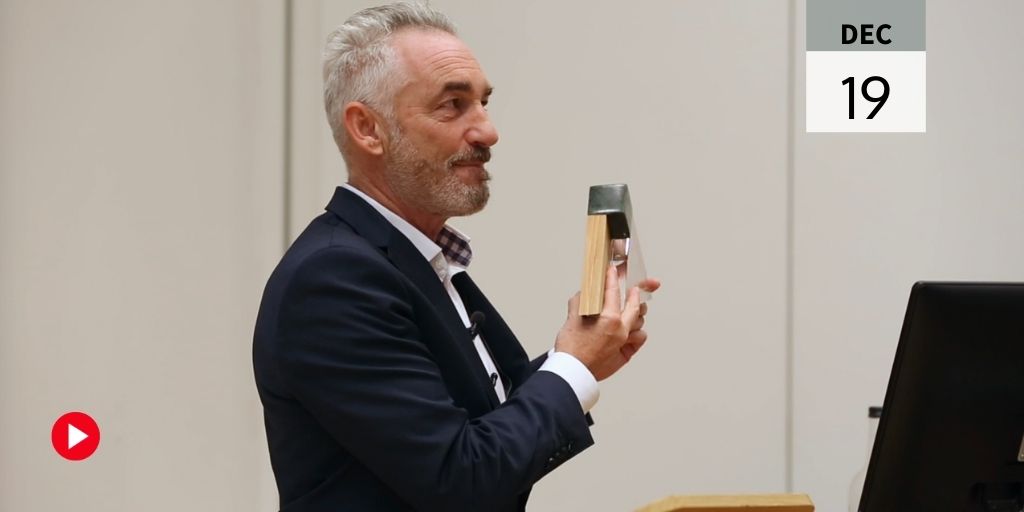
What can prosperity possibly mean in a world of environmental and social limits? With this substantially revised and re-written edition, Tim Jackson expands upon the arguments of the 1st edition and demonstrates that building a ‘post-growth’ economy is a precise, definable and meaningful task.

Having explored in depth the topic of our industrialised societies’ relationship with materials, as well as the need for gradual decoupling between development and resource impact, Tim Jackson joins the Disruptive Innovation Festival, discussing the potential of the circular economy at scale.
In challenging and uncertain times, our theme for second in our series of dialogues on the Nature of Prosperity was the role of hope in redefining and delivering prosperity. The dialogue series is chaired by Baron Rowan Williams and featured Jørgen Randers, Graeme Maxton and Camilla Toulmin.

Andreas Malm, author of Fossil Capital: The Rise of Steam Power and the Roots of Global Warming (Verso, 2016), and Associate Senior Lecturer in Human Ecology at Lund University, Sweden, will deliver a talk at Goldsmiths on some of his latest work.
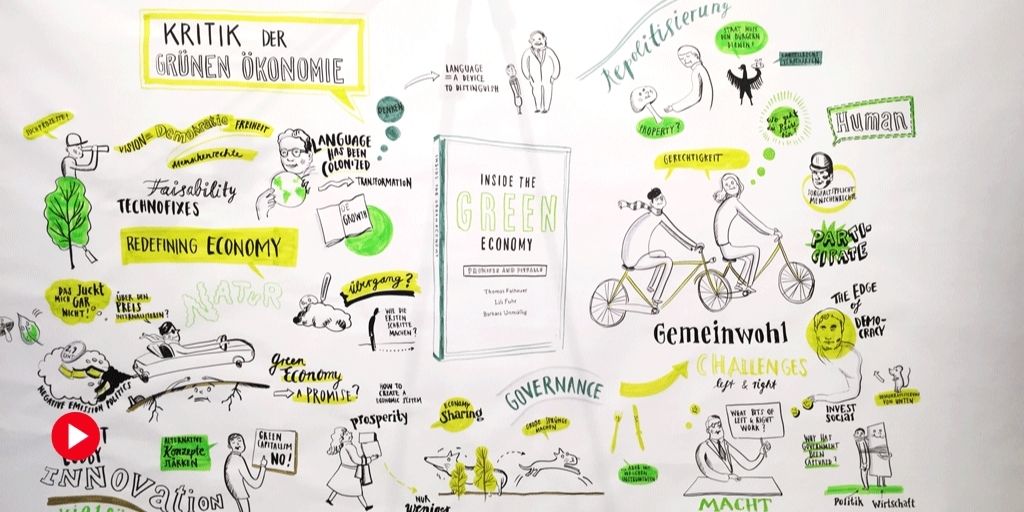
Tim Jackson joining discussion panel at “Inside the Green Economy” book launch, Heinrich Böll Stiftung, 19 September 2016

Co-investigator Dr Aled Jones to give an introduction into his work with the Global Resource Observatory (GRO), exploring new techniques for the evaluation of systemic and cascading risks generated by shocks to the food-water-energy nexus.

Tim Jackson speaking at the 2016 High-Level Political Forum on Sustainable Development, the UN’s central platform for the follow-up and review of the 2030 Agenda for Sustainable Development and SDGs.
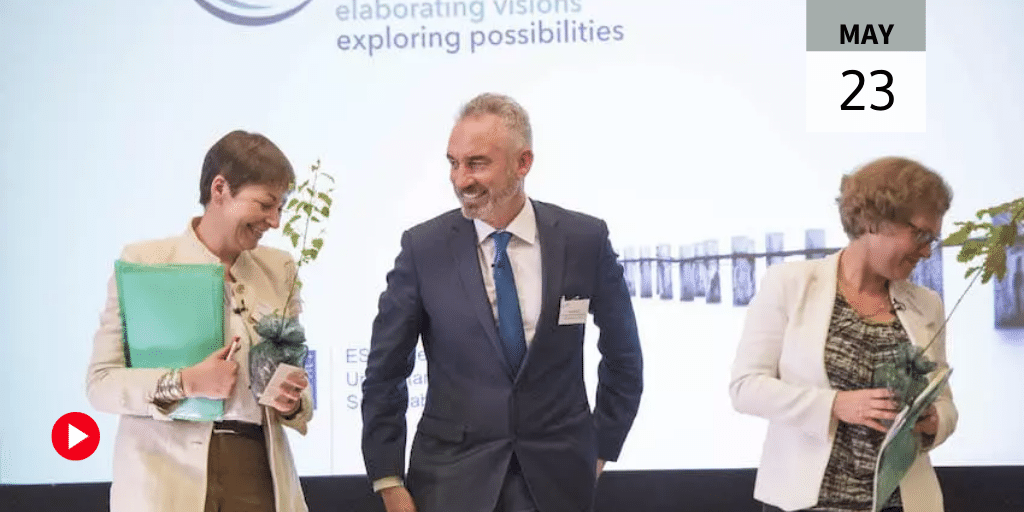
The event is the first in a series of public debates (hosted by CUSP) engaging young and old alike across business, policy and civil society in one of the most vital questions of our time: what does prosperity mean in a world of environmental and social limits?
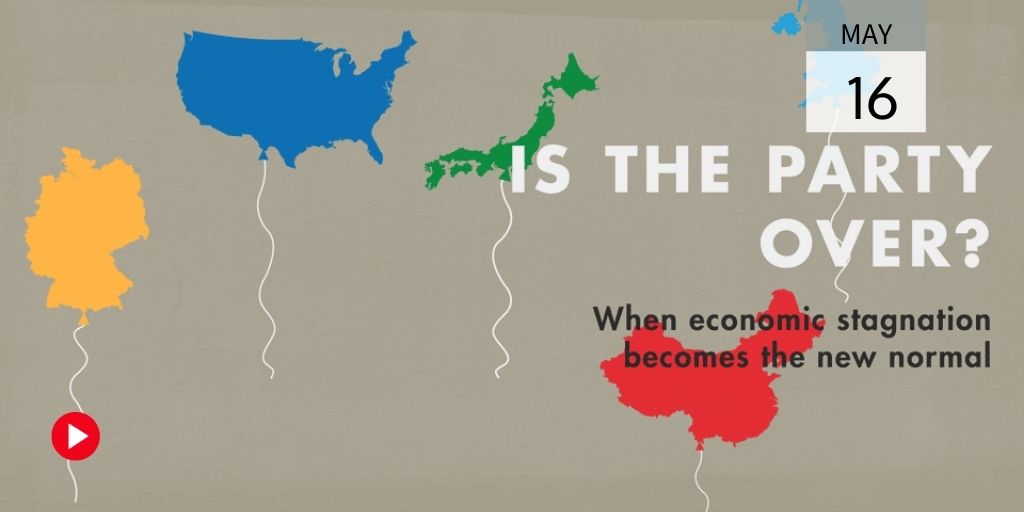
Intelligence Squared was hosting a discussion with Prof Tim Jackson on the future of the global economy. Other panelists include Stephanie Flanders and Deirdre McCloskey. The evening was moderated by Kamal Ahmed.
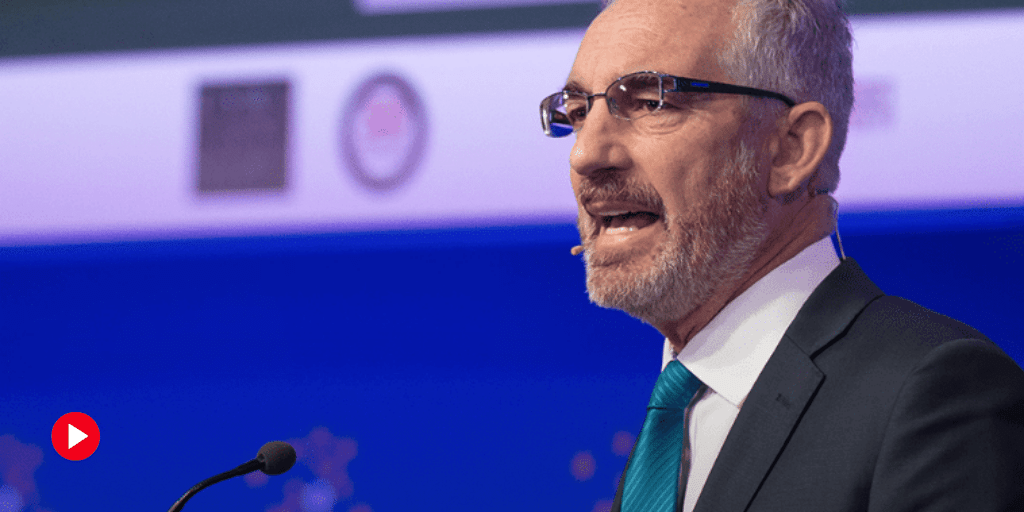
CUSP Director Prof Tim Jackson gives opening keynote and in-depth workshop at the 46th St. Gallen Symposium, a high-profile annual conference designed to “capture and condense the most relevant debates currently shaping the world around us and making them center-stage.”

With a focus on the politics of food waste reduction in the UK, this seminar considers how responses to sustainability challenges are mediated by the real and discursive figure of the responsible consumer.
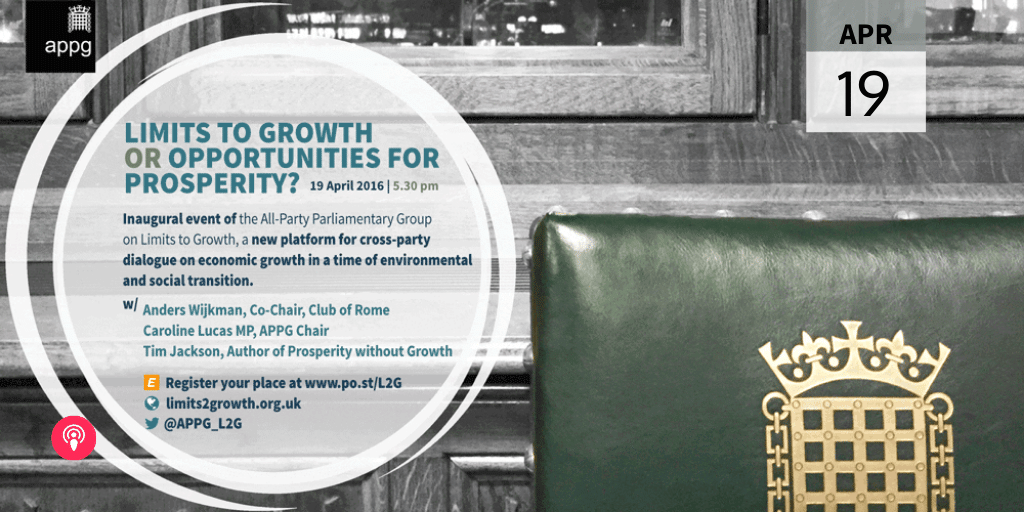
We are pleased to announce the launch of the new APPG on Limits to Growth, for which CUSP will be providing the secretariat. The inaugural event will take place at the House of Commons, on 19 April 2016.
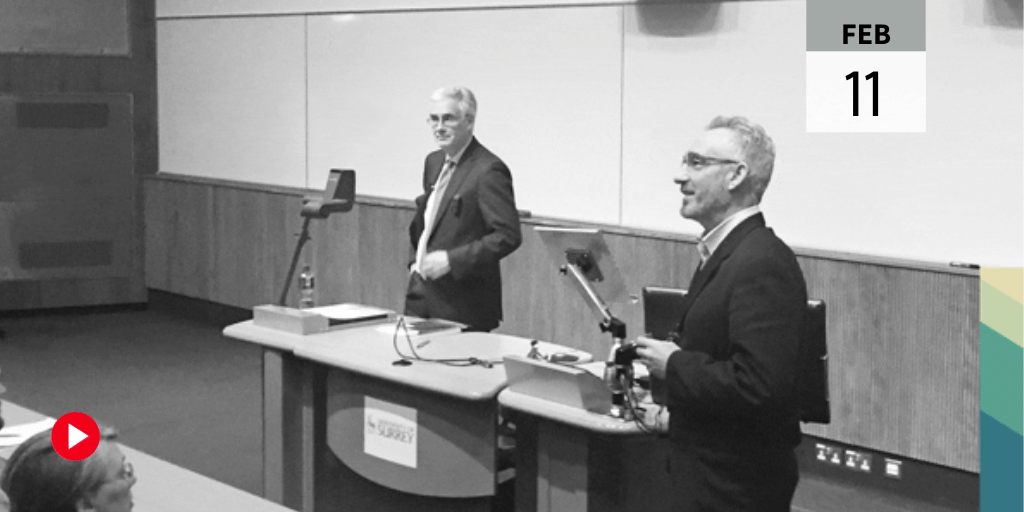
Launching our Lecture Series, Adair Turner gave an inspiring talk on #SustainableFinance at the University of Surrey. One of the most respected thinkers on financial reform, Adair explores the financial innovations needed to deliver sustainability. Video and audio available now.
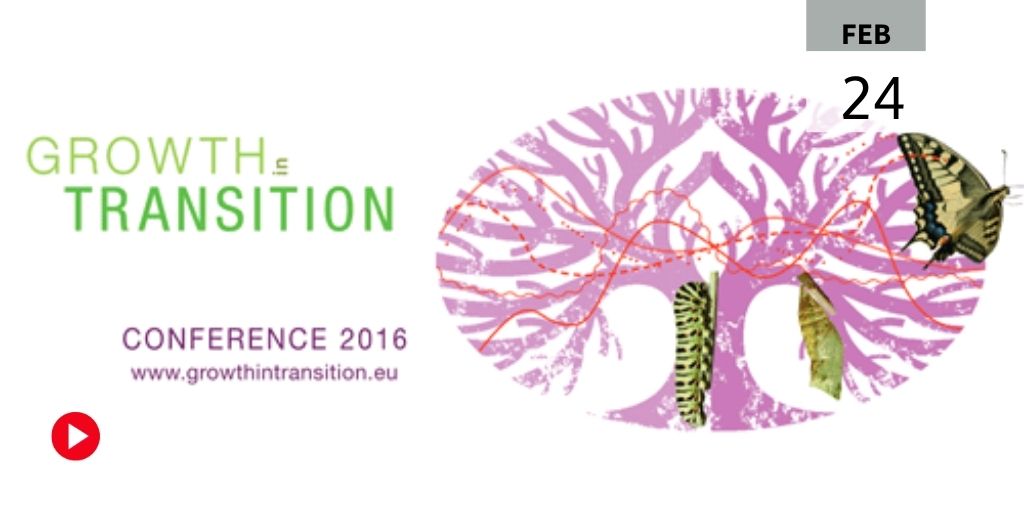
This year’s Growth in Transition Conference focuses on three key subject areas: Constraints, Transformation and Development. Tim Jackson will give a keynote lecture on Flourishing within Limits – The Foundations for a Sustainable Prosperity.